Our Work
Creating Change Across Livelihoods, Climate, Health & Dignity.
Development challenges are interconnected. Our programmes are too.
SumArth works across four interconnected pillars designed to build resilient individuals, households and communities.
01 | Climate-Resilient Agriculture
Growing Differently. Growing Resilient.
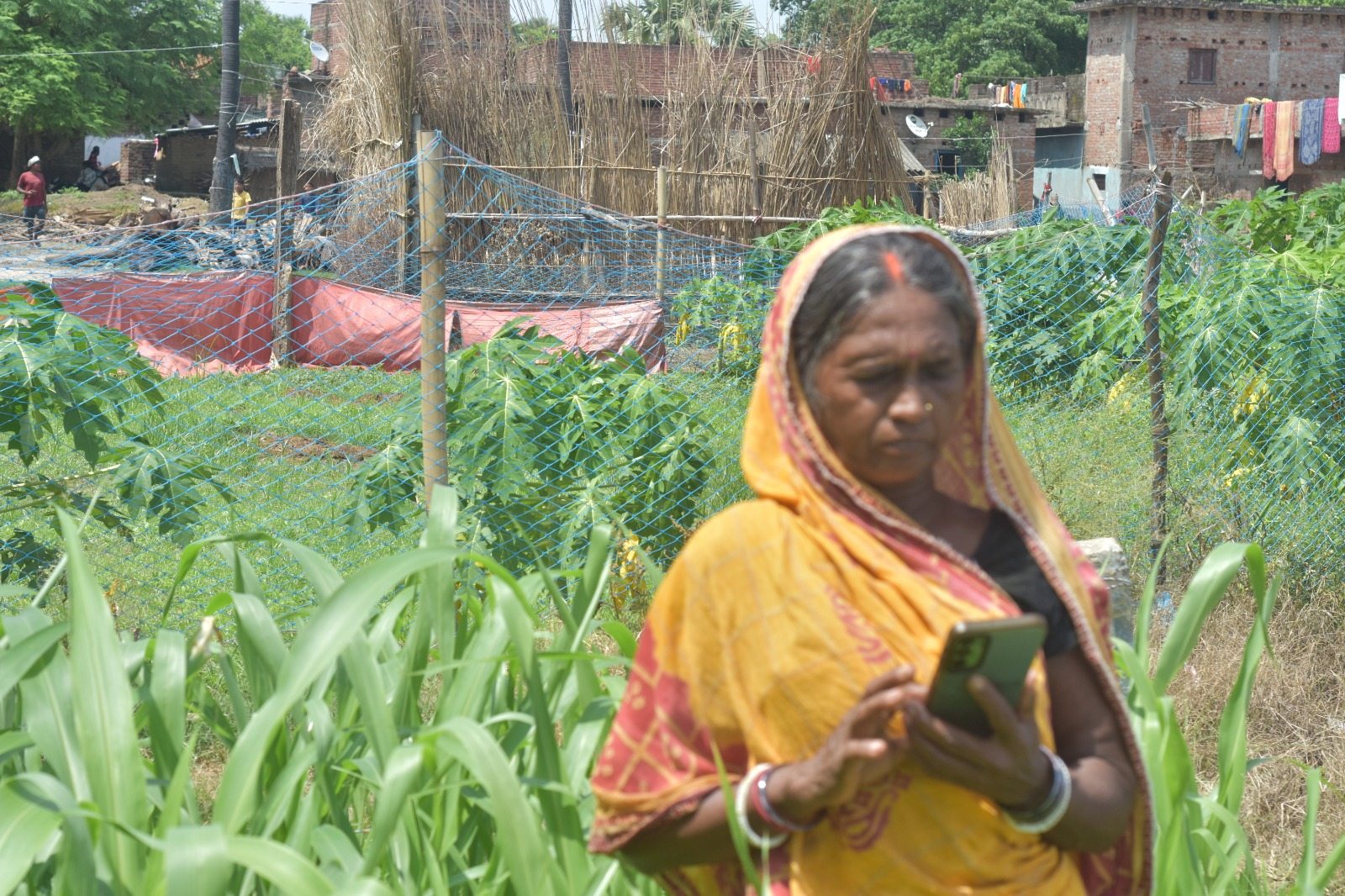
At SumArth, we help small and marginal farmers build climate-resilient livelihoods through diversified, high-value agriculture that makes better use of limited land, water and resources.
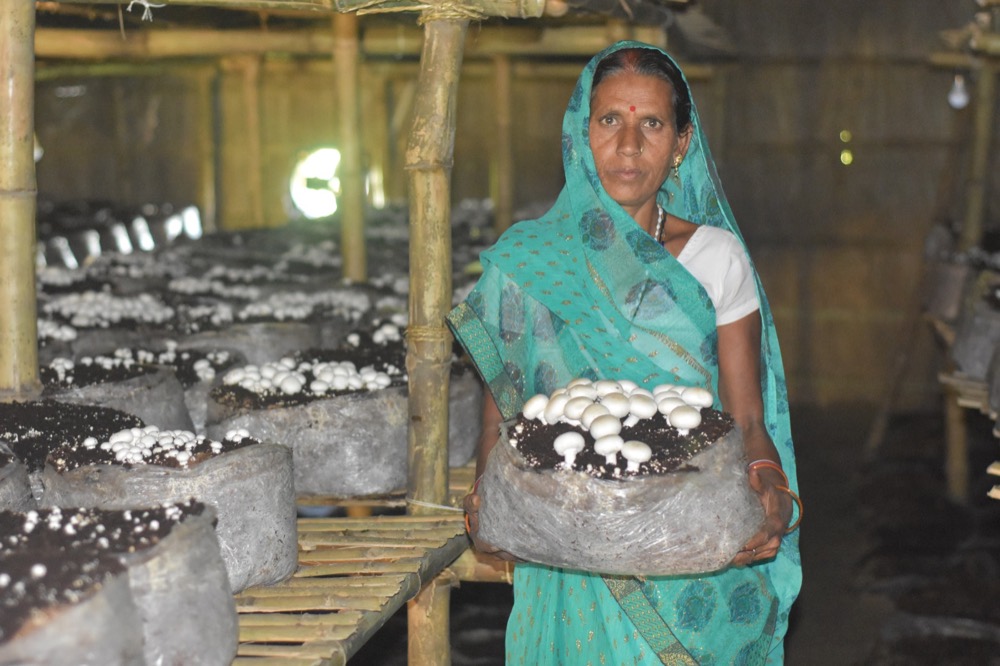
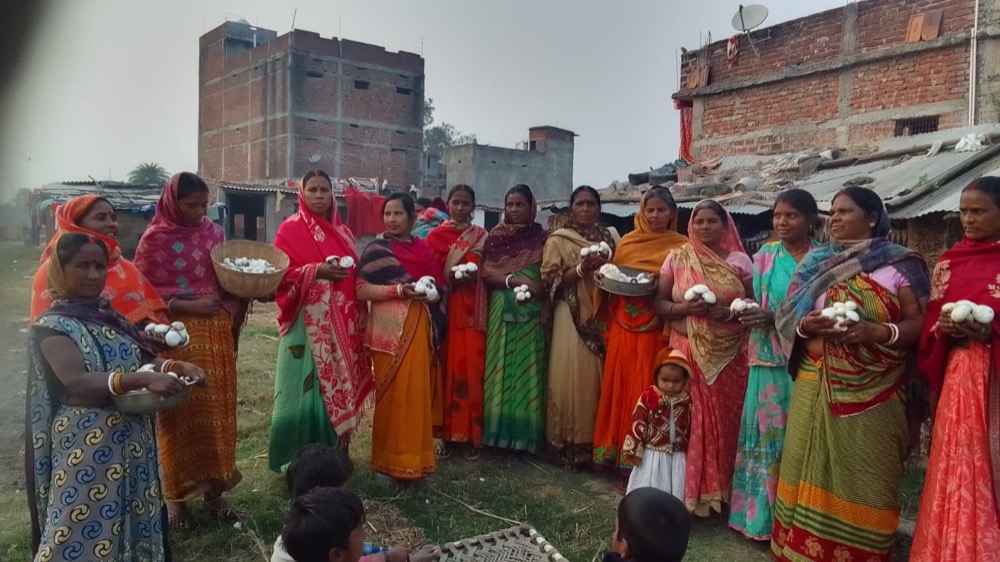
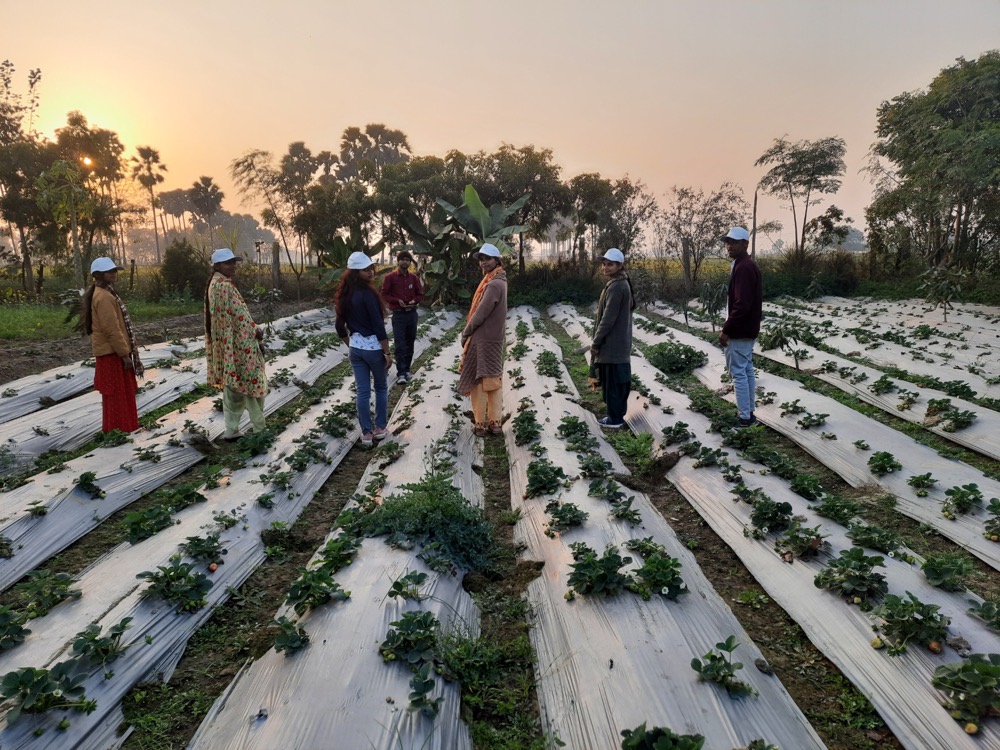
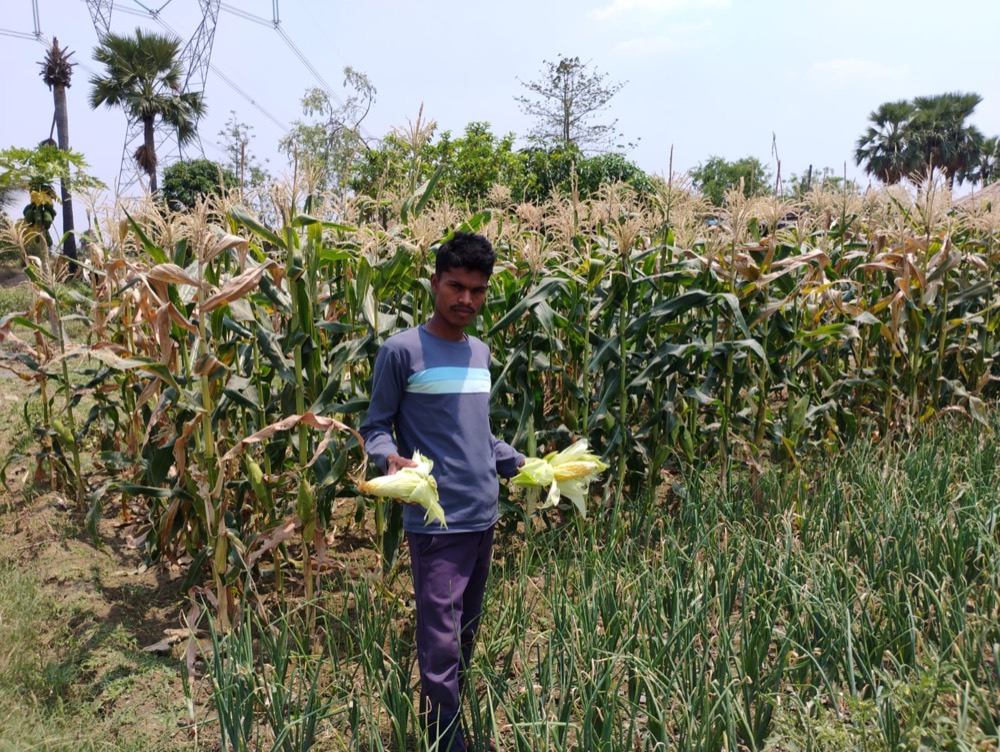
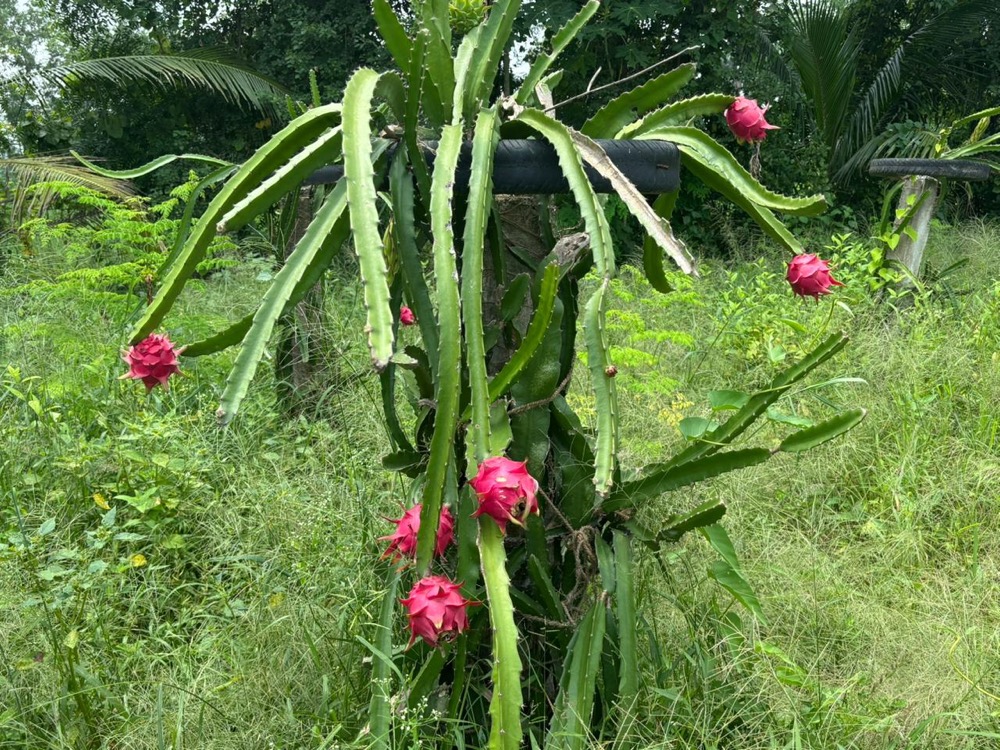
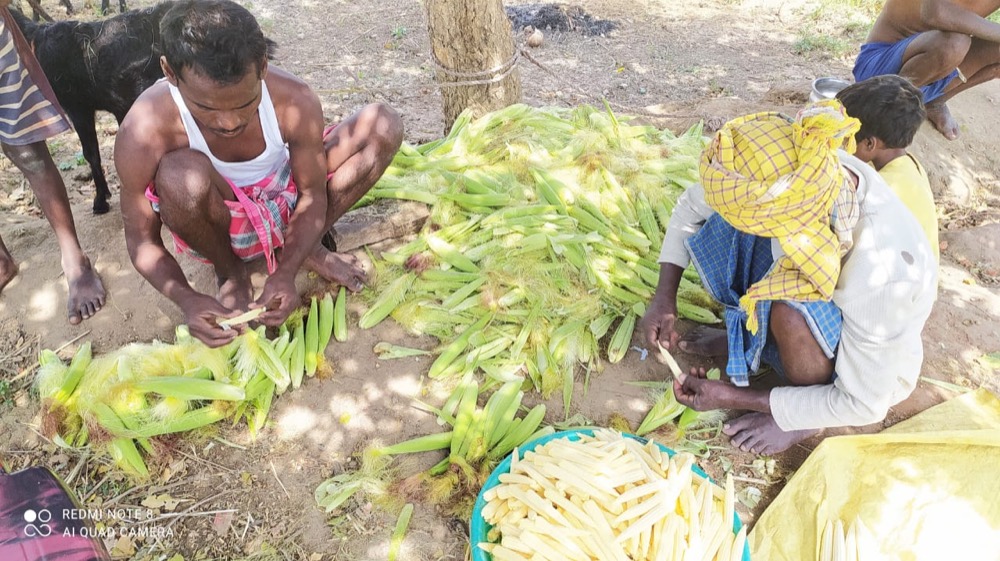
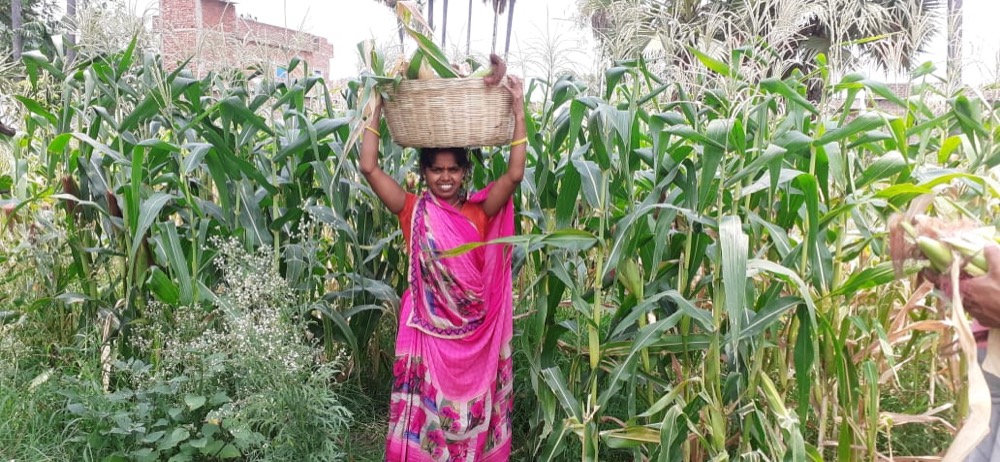
Our interventions include mushroom farming, particularly suited to women and landless families; multipurpose mushroom huts that can support other livelihood activities beyond the mushroom season; and high-value crops such as dragon fruit, strawberry, blue pea (Aparajita), baby corn and sweet corn that help farmers diversify beyond conventional crops.
Through climate-smart cultivation, crop diversification, value addition and market linkages, we help rural families reduce climate and income risks while creating stronger, more sustainable livelihood opportunities.
Less risk. More possibilities. Resilient farms, stronger livelihoods.
02 | Value from Every Harvest: Processing & Value Addition
At SumArth, we believe that farmers deserve to earn not just from what they grow, but from the full value of their harvest. Through our Value from Every Harvest initiative, we enhance farmer incomes by strengthening the entire post-harvest chain—processing, grading, packaging, branding, and market linkage—for mushrooms, corn, and other high-value agricultural produce.
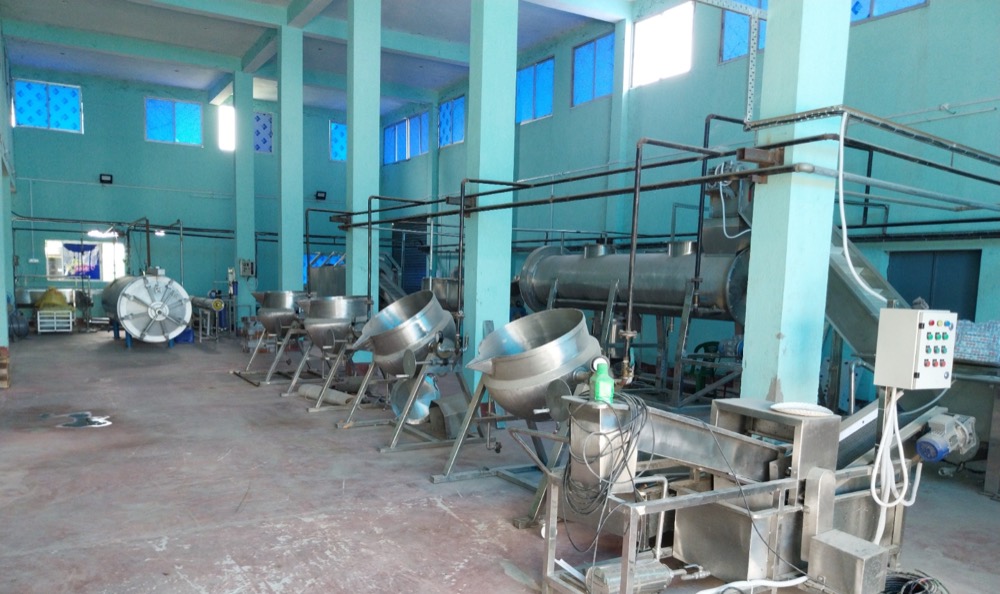
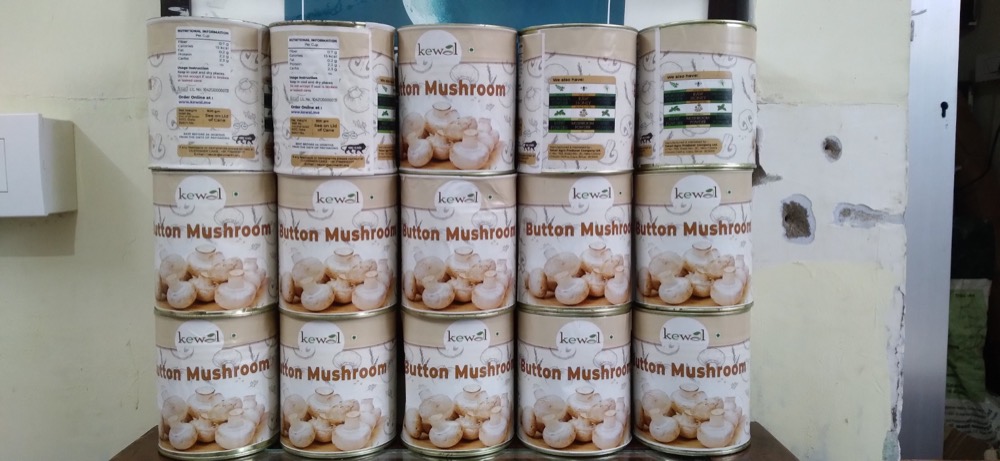
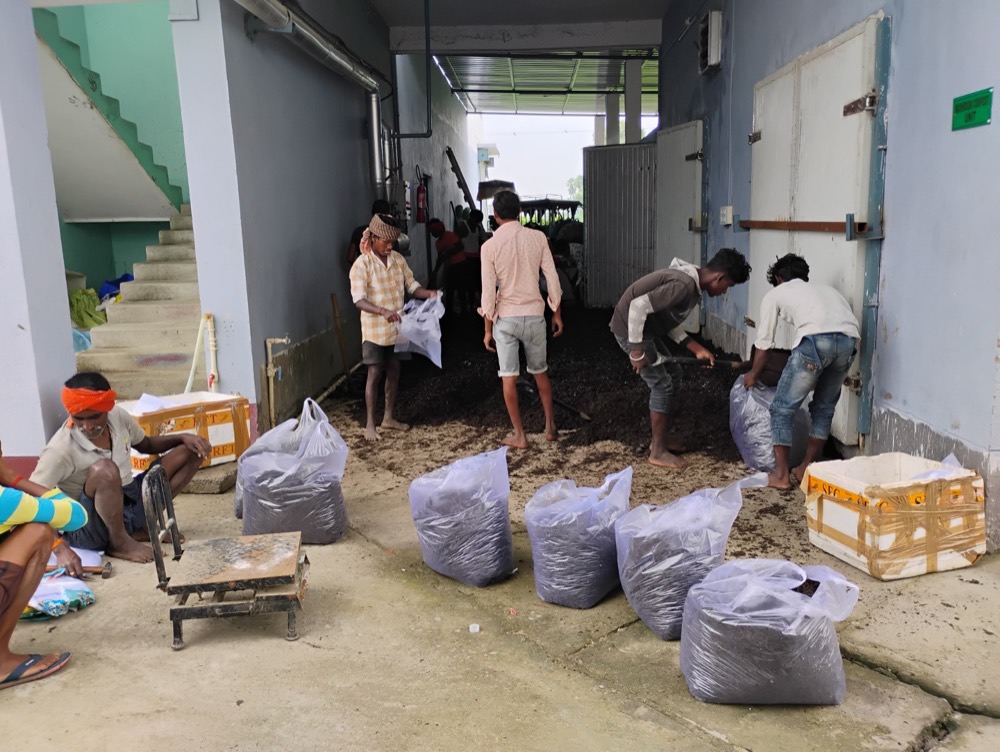
At the heart of this initiative is Bihar’s largest mushroom canning and processing unit, along with an advanced compost production facility. Here, fresh mushrooms are hygienically cleaned, graded, canned, and processed for bulk and retail markets, while high-quality compost is produced for sustainable cultivation. This not only reduces post-harvest losses and price distress, but also ensures consistent quality, longer shelf life, and better price realization for farmers.
The unit has become a powerful engine of rural employment, especially for women and youth, who are trained in food processing, quality control, packaging, inventory management, and machine operations. By creating dignified local jobs, the initiative reduces distress migration and strengthens the rural economy.
Through structured market linkages with bulk buyers, institutions, and urban markets, we connect producers directly to demand, ensuring stable incomes, transparent pricing, and scalability. By converting raw produce into branded, value-added products, we help farmers capture a much larger share of the value chain.
This initiative transforms farming from a subsistence activity into a sustainable rural enterprise ecosystem, where every harvest creates income, dignity, and employment.
03 | PeriodShala & SABLA – Periods with Pride
Breaking Silence. Building Dignity.
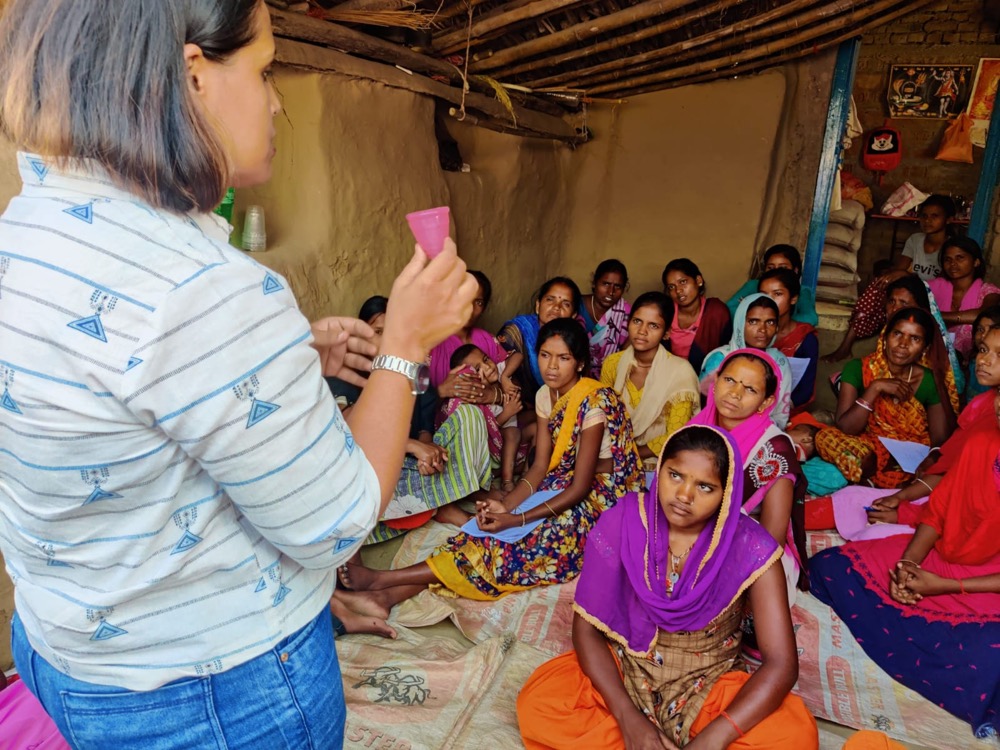
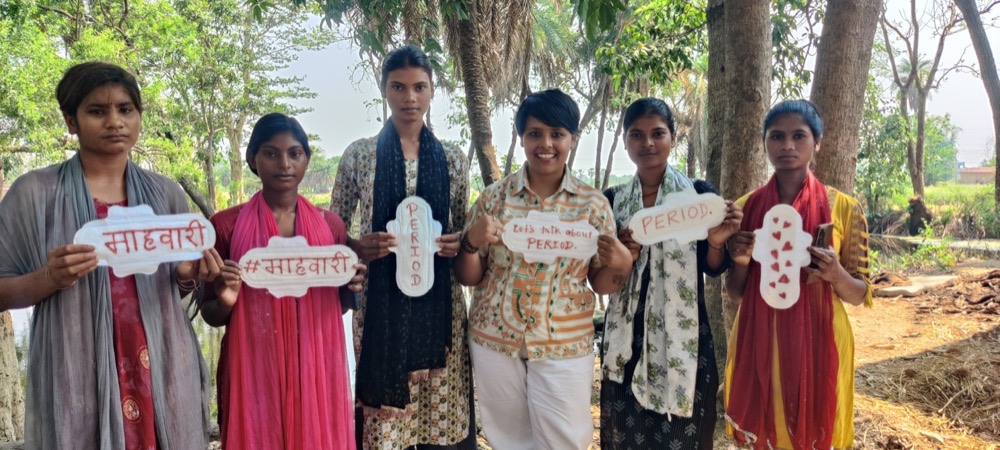
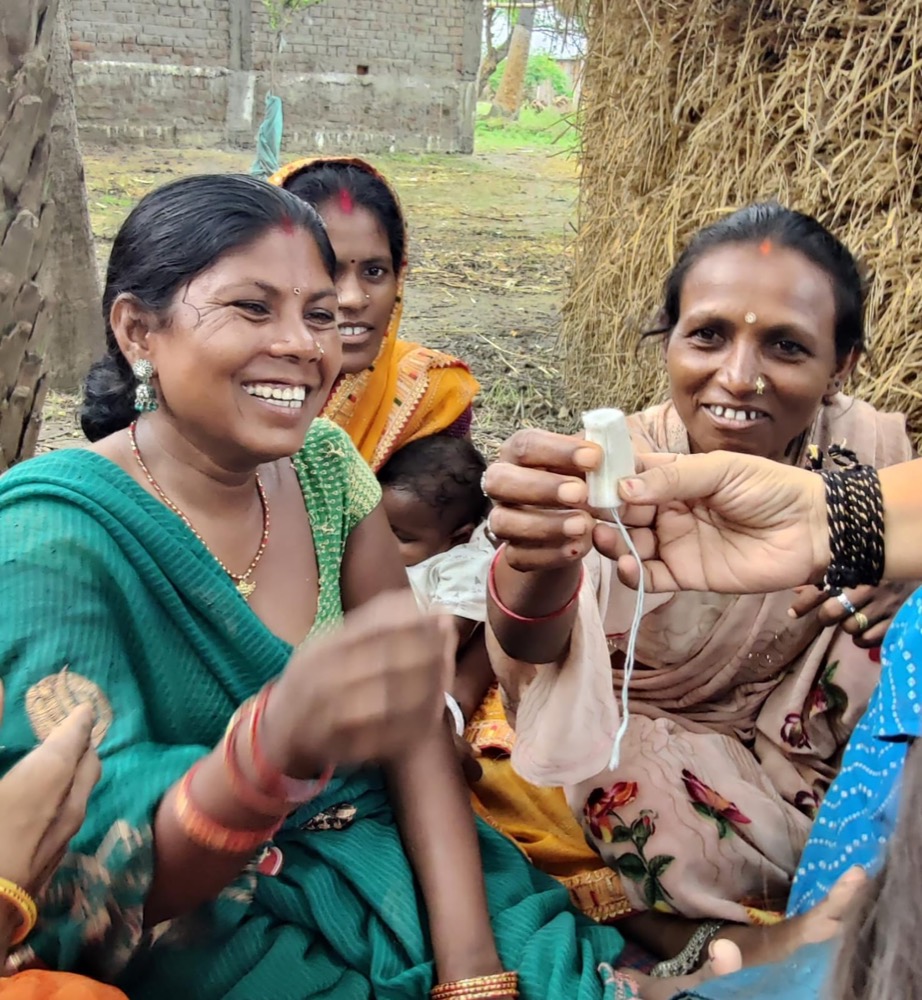
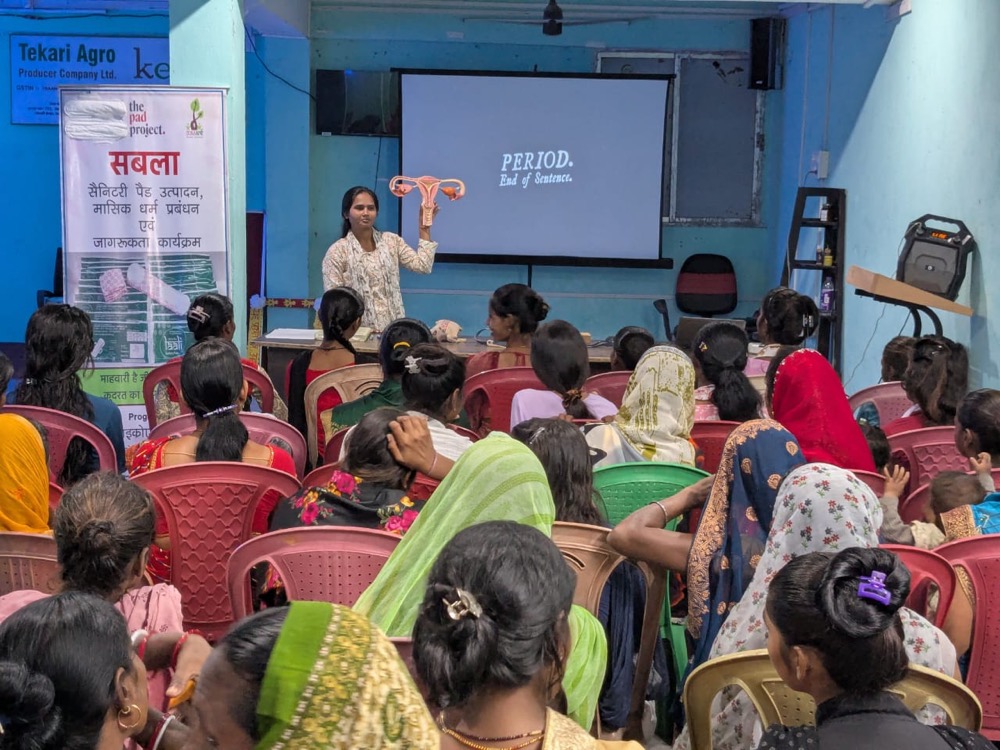
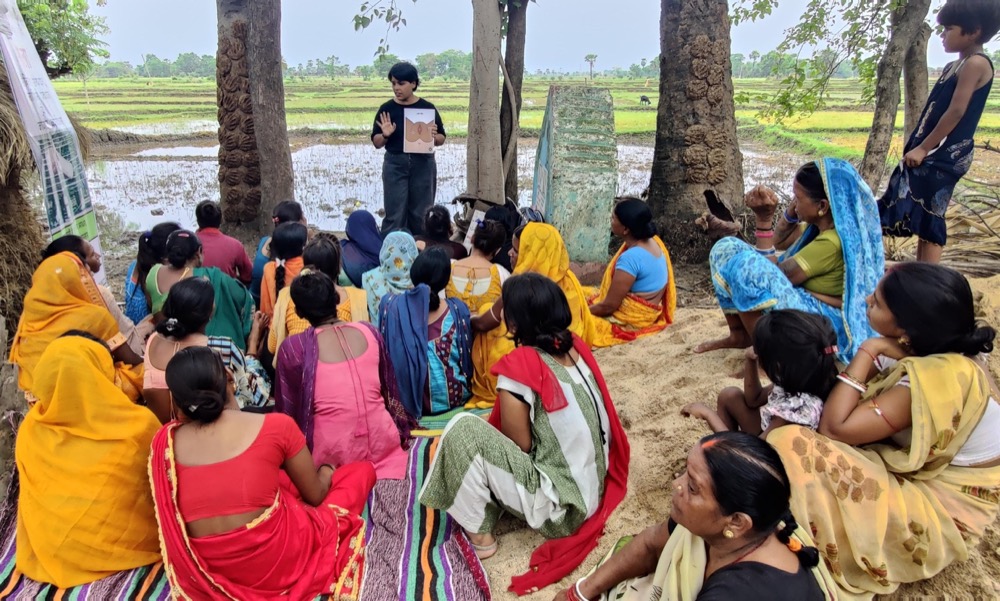
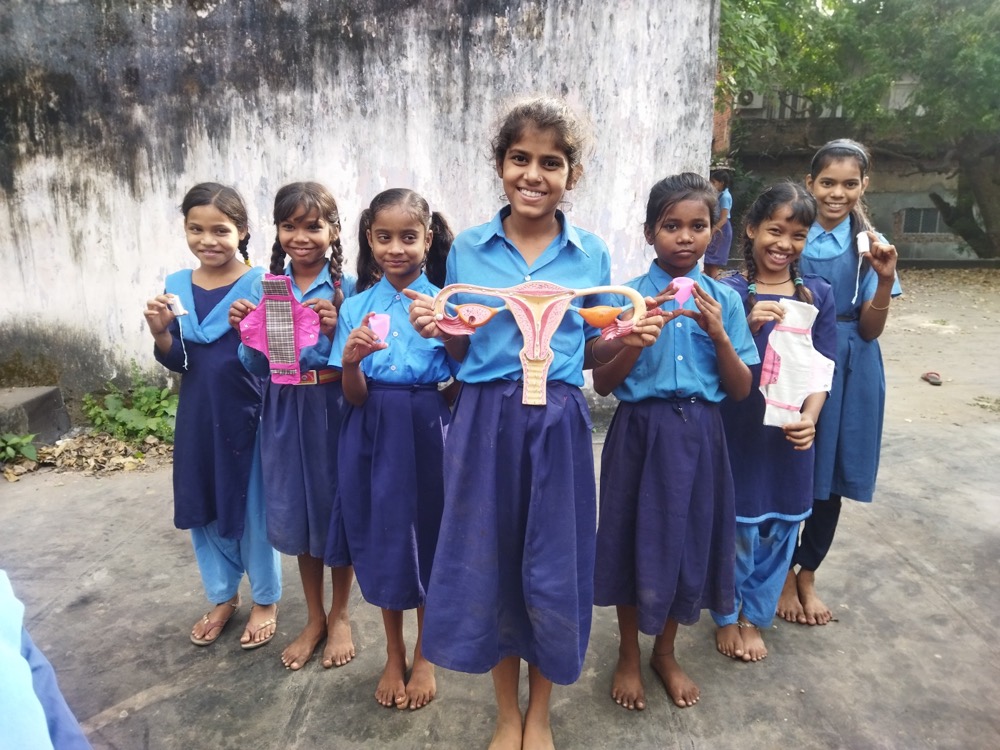
At SumArth, PeriodShala and SABLA are our flagship menstrual health initiatives working with girls and women across schools and rural communities to break menstrual taboos, build scientific understanding, and ensure that periods are experienced with knowledge, confidence and dignity.
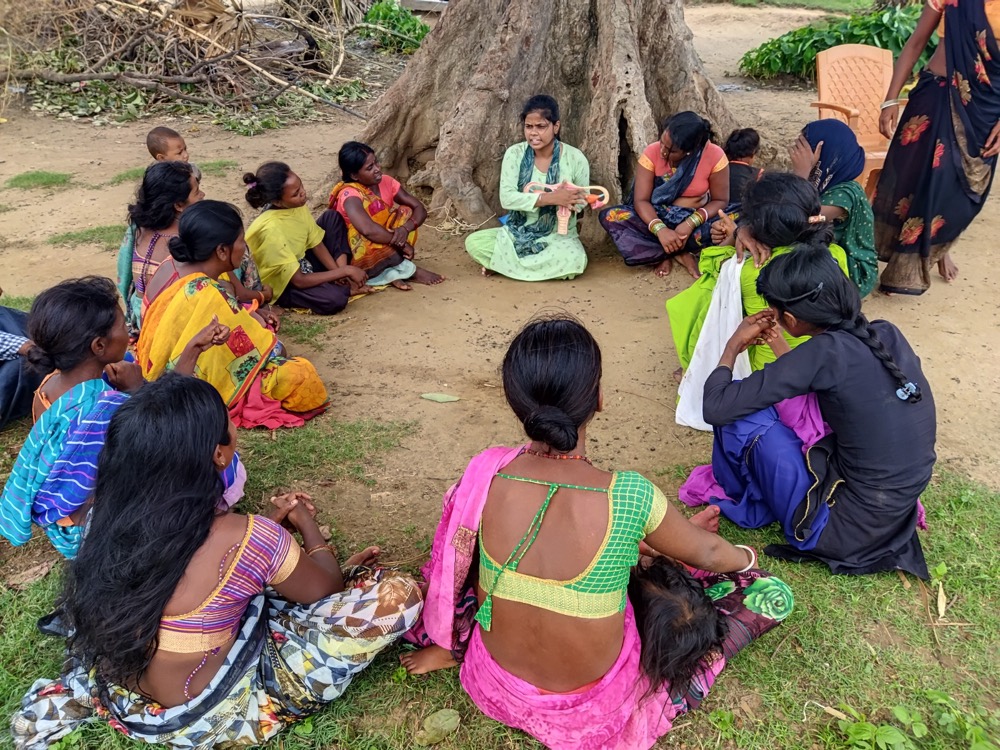
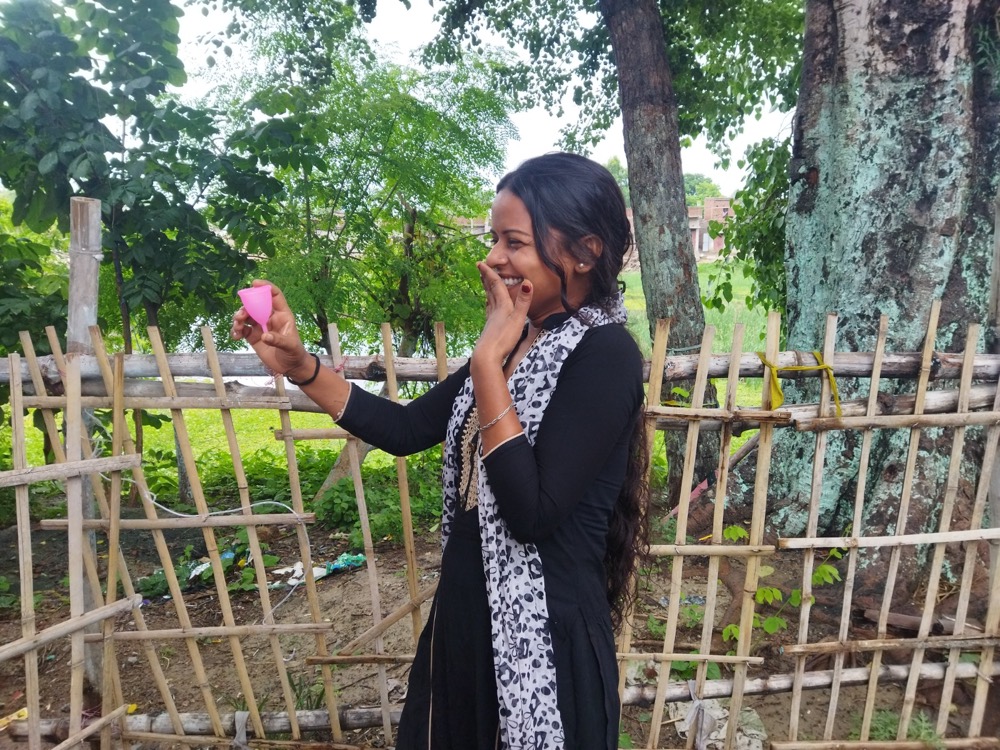
PeriodShala begins the conversation early—working with pre-menarche and adolescent girls so that their first period comes with preparedness, not fear. SABLA takes these conversations into communities, creating safe spaces for women to discuss menstrual health, challenge myths and make informed choices about menstrual products, including affordable and eco-friendly menstrual cups.
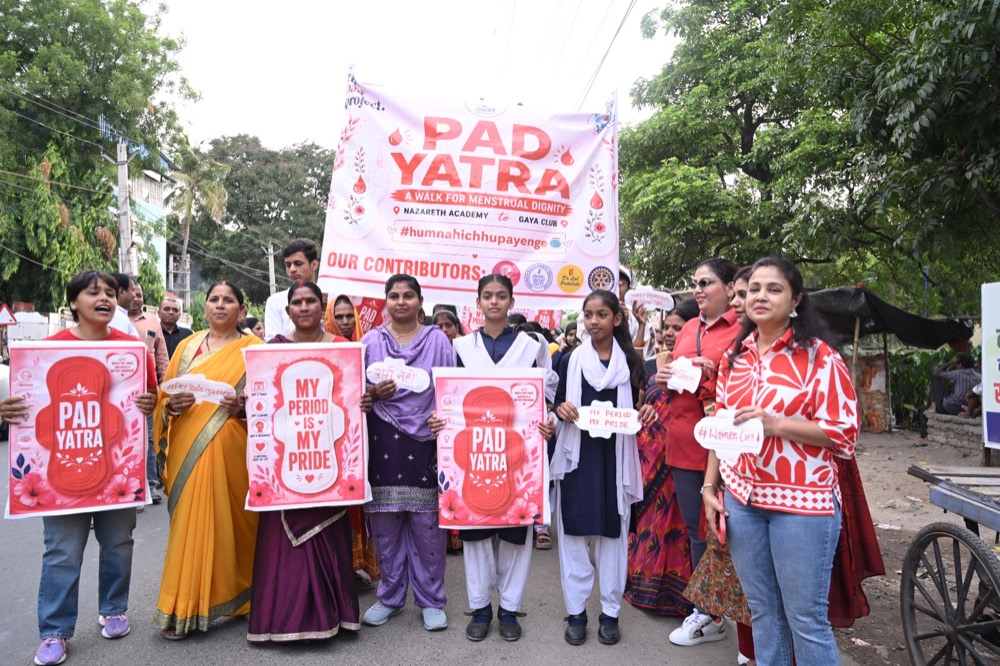
Pad Yatra: Taking Periods to the Streets
One of our most powerful interventions is the Pad Yatra—taking conversations about menstruation out of closed rooms and into public spaces. Women, girls, men, boys, teachers and community members walk together through villages, carrying one simple message: periods are natural, and there is no shame in talking about them.
Alongside Pad Yatras, we use Nukkad Nataks, community dialogues, school sessions and public screenings to challenge generations of silence and encourage men and boys to become allies in menstrual dignity.
Our women-run sanitary pad production initiatives further connect menstrual dignity with livelihoods, creating local access to affordable products while generating economic opportunities for rural women.
Together, PeriodShala and SABLA have reached thousands of girls and women, transforming menstruation from a subject spoken about in whispers into a conversation communities can have openly.
From classrooms to village streets, we are making periods visible, understood and free from shame.
04 | Digital Saksham & Udyam Shakti – From Digital Access to Business Success
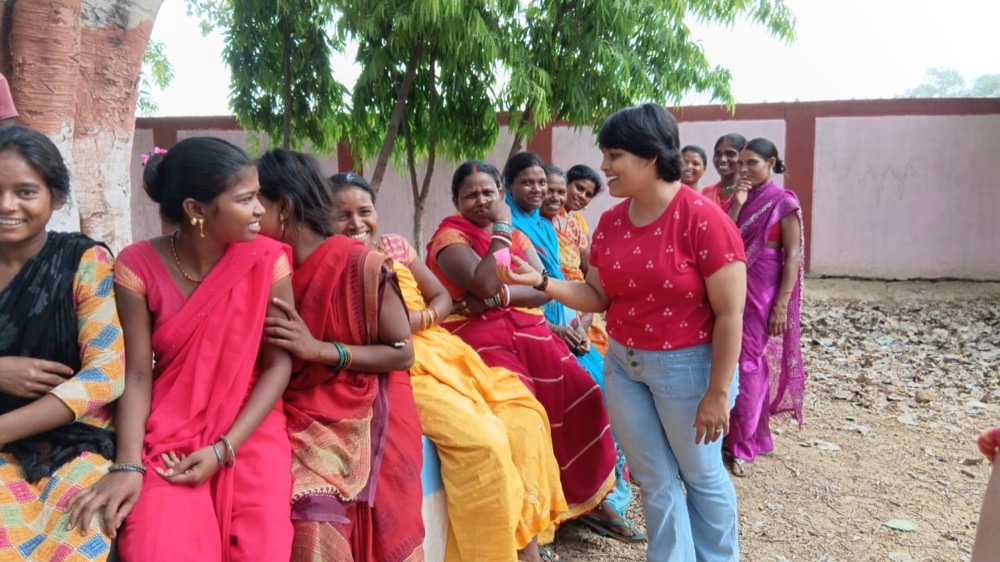
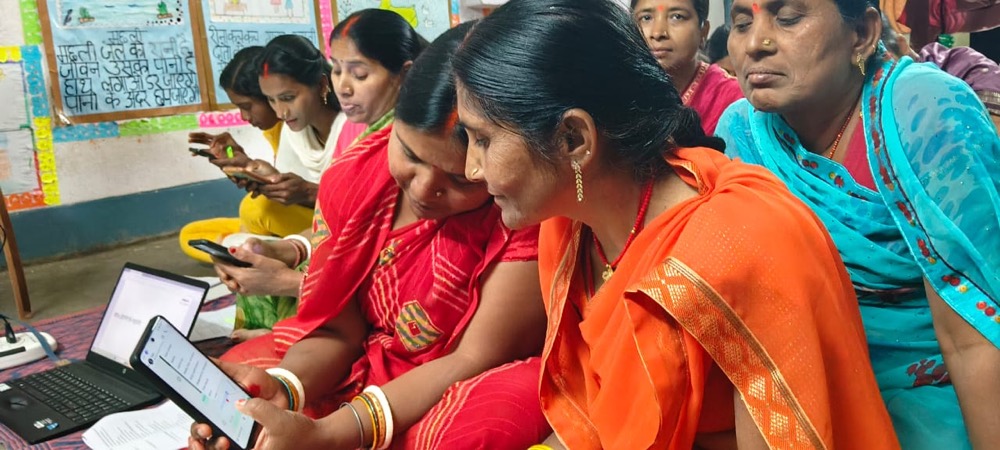
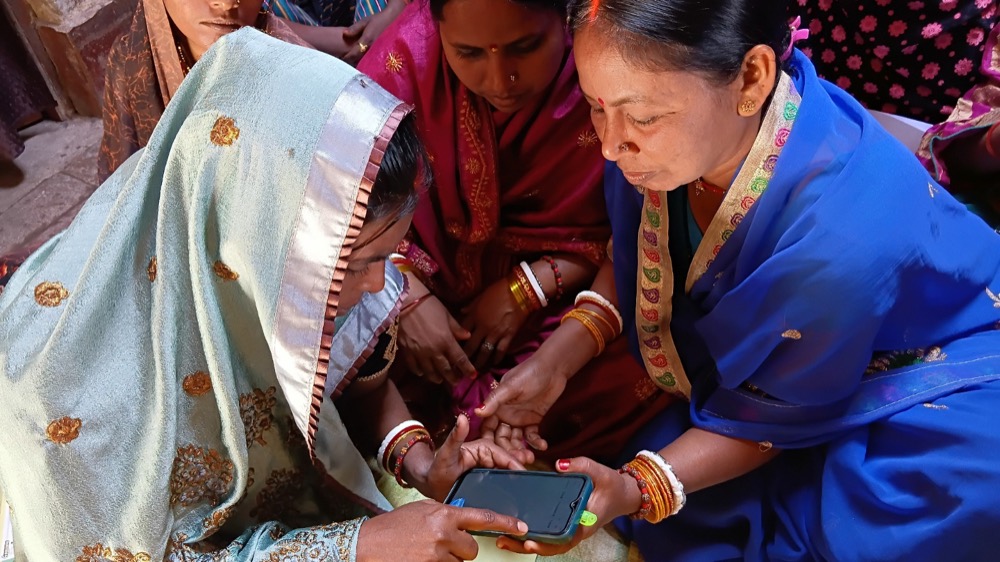
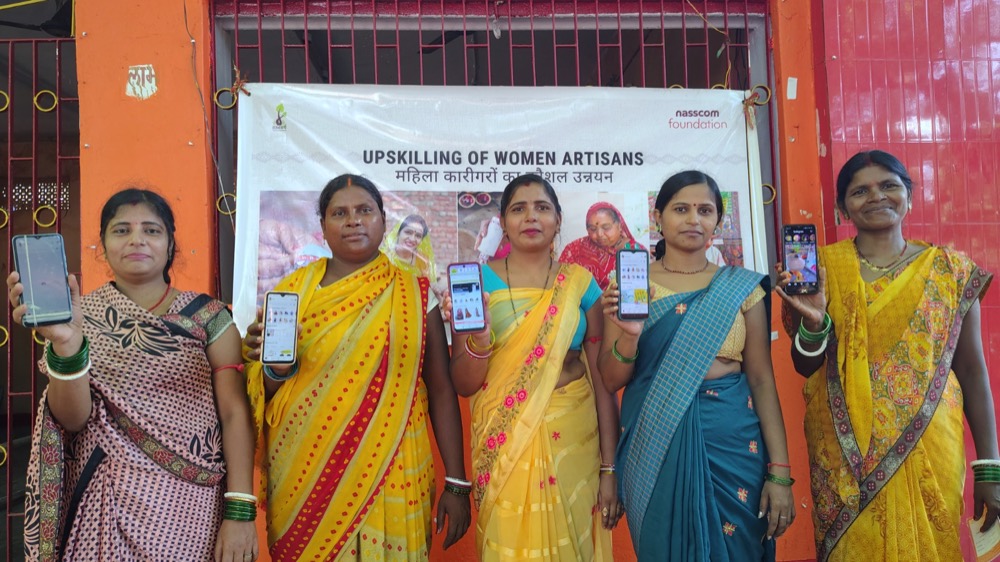
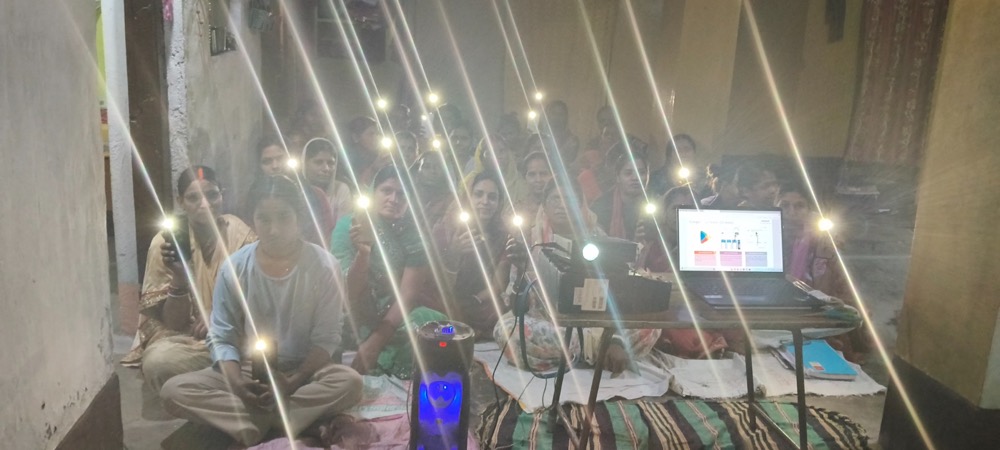
Through Digital Saksham, SumArth has equipped more than 5,000 rural women, youth, and farmers with essential digital, financial, and cyber literacy skills—from smartphone usage and online banking safety to government digital services and cyber fraud awareness. As a result, thousands of women now accept digital payments, maintain digital business records, and promote and sell their products online, significantly increasing their reach and income while strengthening financial inclusion and transparency.
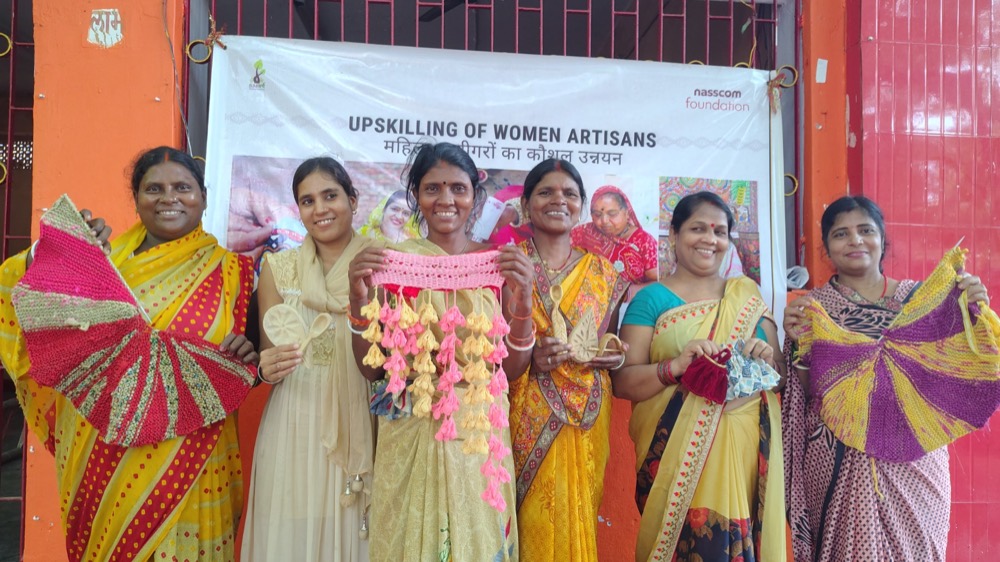
Complementing this, Udyam Shakti supports first-generation rural entrepreneurs with end-to-end enterprise development—covering business planning, costing, branding, market access, start-up mentoring, SHG strengthening, and linkages with banks and government schemes. Together, these programs are transforming local ideas into viable enterprises, creating jobs at the grassroots, and building a self-reliant, digitally empowered rural economy.
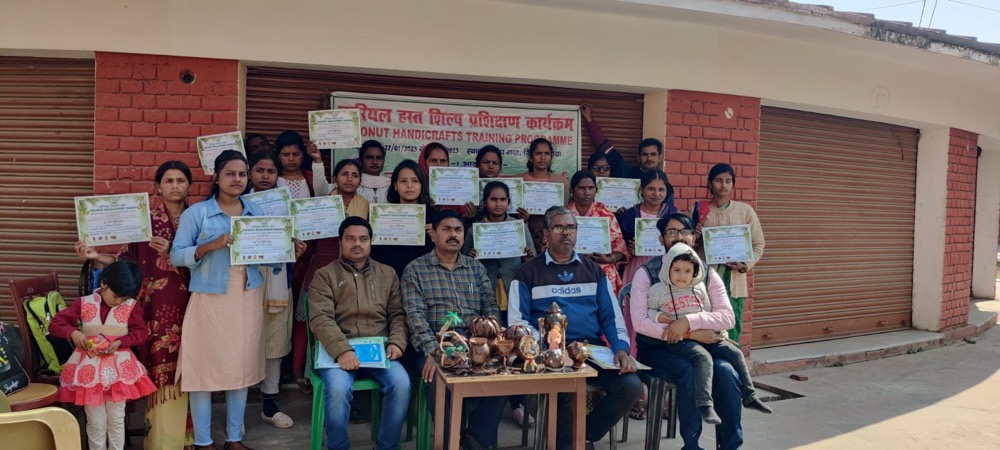
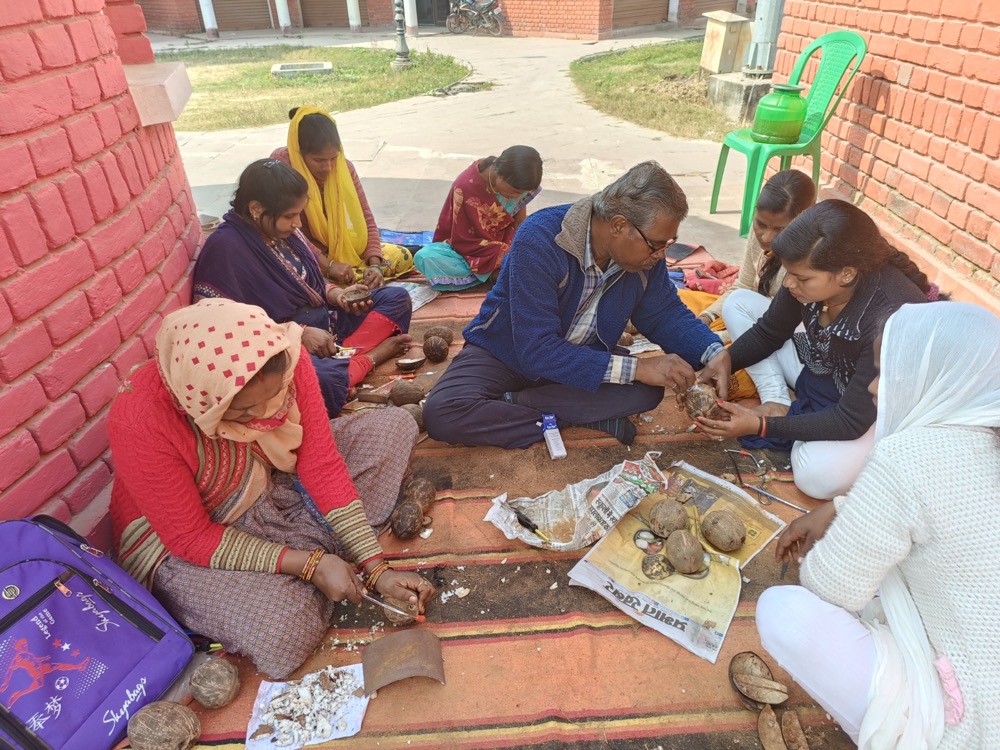
05 | Kala se Kamaai: Coconut Handicrafts Training Program
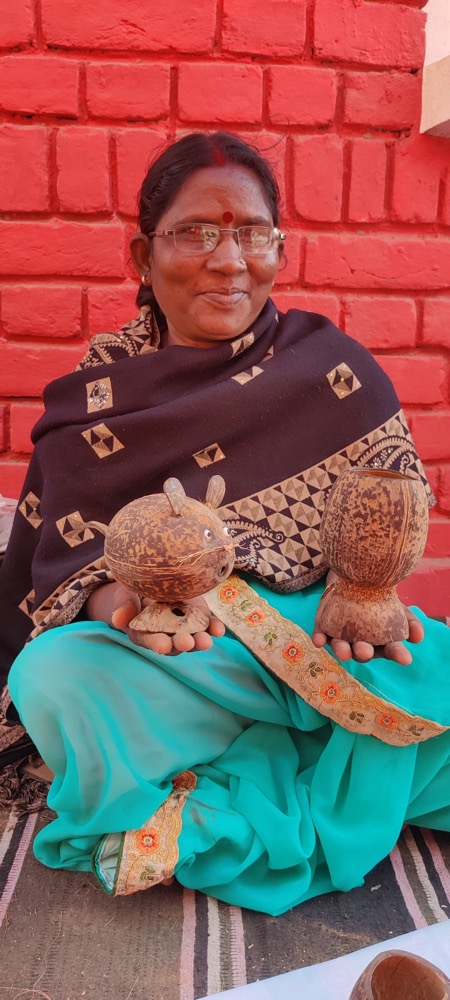
At SumArth, Kala se Kamaai transforms creativity into sustainable livelihoods by training rural women and youth to craft eco-friendly, market-ready products from coconut shells and other natural materials.
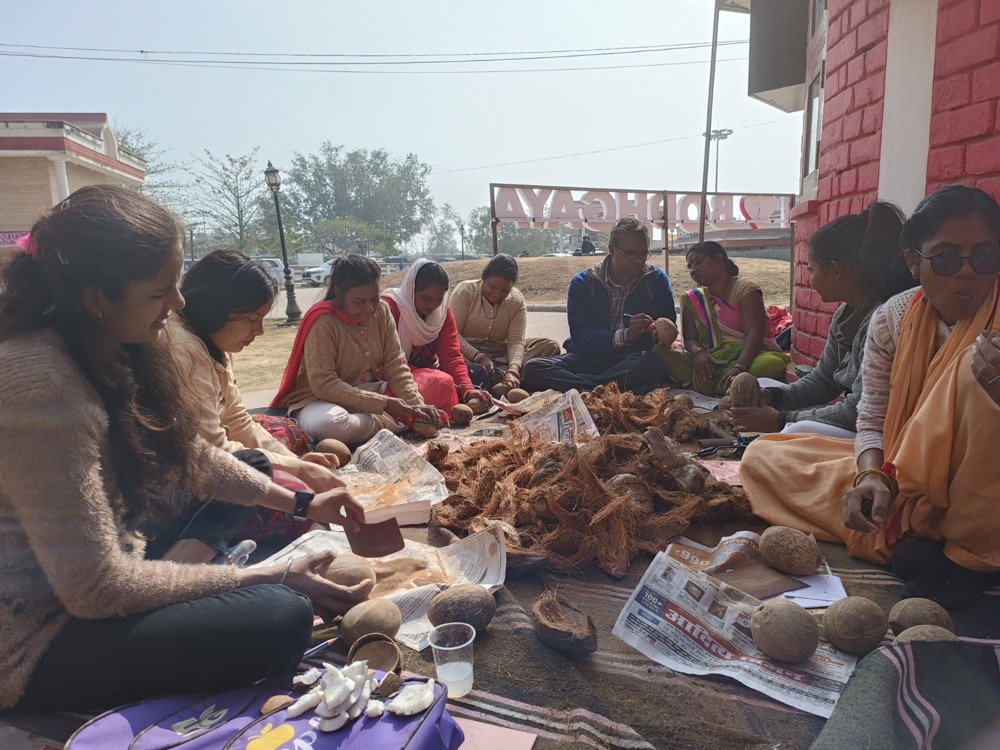
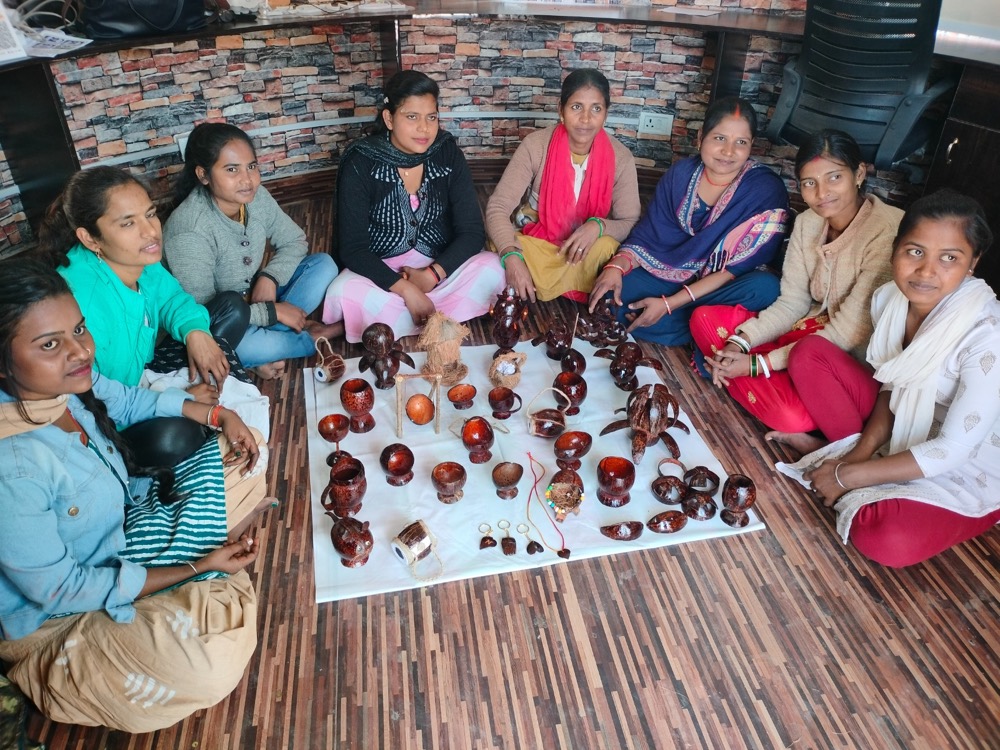
Through hands-on, skill-based training, participants learn to design and produce:
- Eco-friendly home décor such as lamps, planters, wall hangings, and table accessories
- Utility products including bowls, spoons, containers, and everyday household items
- Handcrafted jewellery such as earrings, bangles, pendants, and statement accessories
The program revives traditional artisanal skills while promoting a plastic-free, circular economy by turning bio-waste into high-value products. Women are trained not only in production, but also in finishing, quality control, pricing, branding, packaging, and market readiness.
Participants are supported through entrepreneurship mentoring, SHG linkages, and access to exhibitions, melas, online platforms, and bulk buyers, enabling them to earn regular incomes from sustainable handicrafts. Many women begin as trainees and grow into independent artisans and micro-entrepreneurs.
Kala se Kamaai is more than skill training—it is a pathway to financial independence, creative expression, environmental responsibility, and dignified livelihoods for rural women.
06 | From Fear to First Embrace – Building Safe Beginnings for Newborns in Gaya
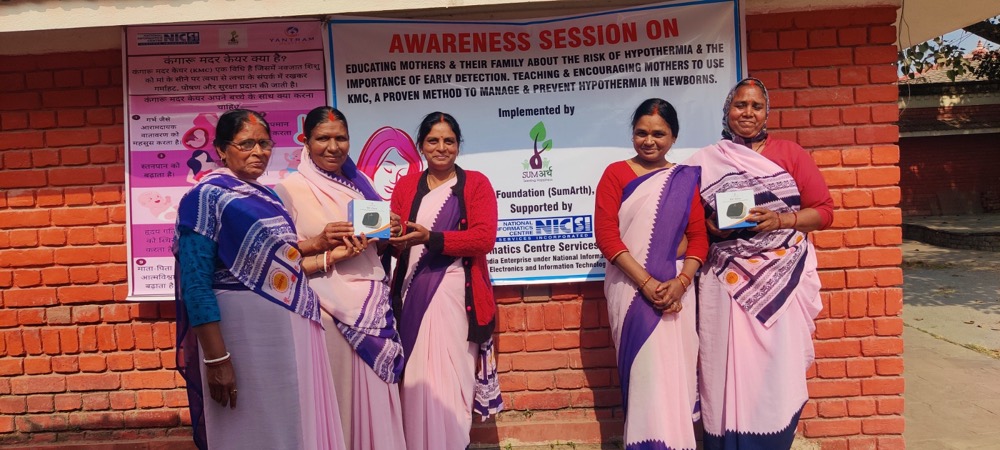
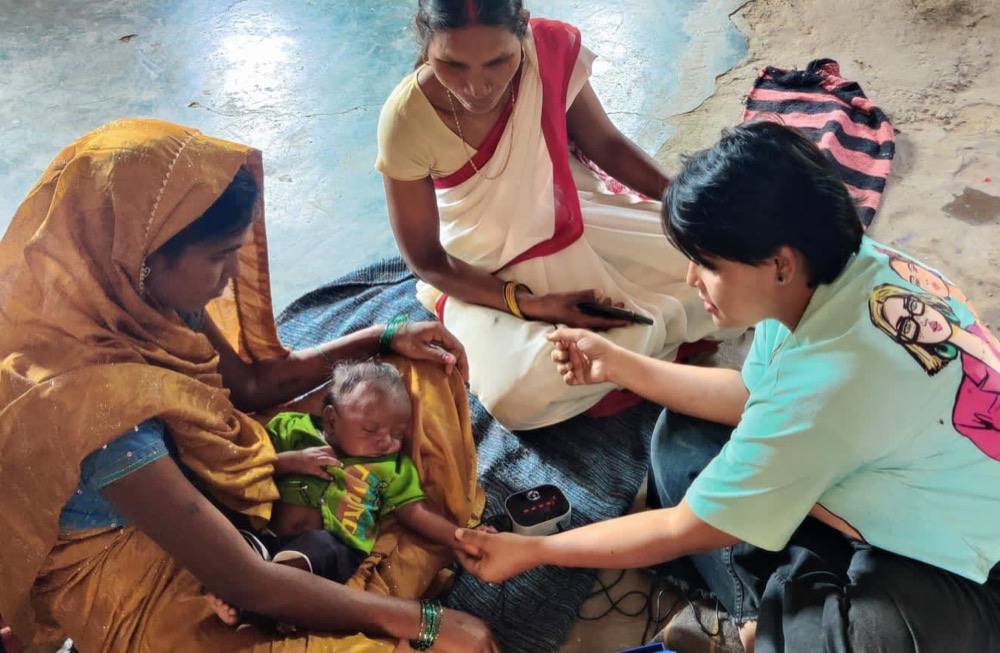
This initiative of SumArth (MicroX Foundation) focused on protecting newborns in Gaya district from hypothermia, a silent but serious cause of neonatal deaths. Under our Kangaroo Mother Care (KMC) program, we worked with mothers and their families to help them understand the risk of low body temperature in newborns, the early warning signs, and the importance of immediate action. We promoted KMC as a simple, low-cost, skin-to-skin method that keeps babies warm, supports breastfeeding, and improves survival—especially for premature and low-birth-weight infants.
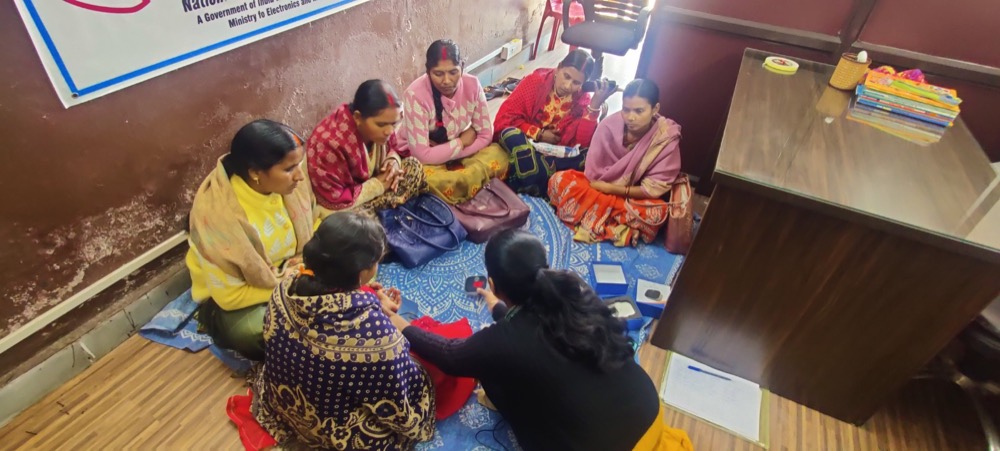
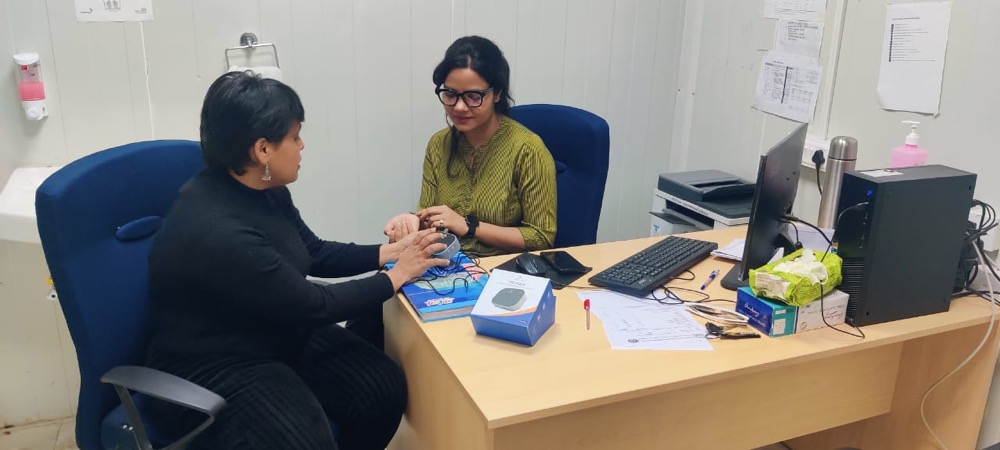
Through this program, SumArth connected 22 villages and 12 health facilities, bringing together doctors, nurses, ANMs, ASHA and Anganwadi workers, SHG members and local leaders as one team. We conducted awareness sessions, demonstrations, and counselling with mothers, grandmothers and fathers so that newborn care became a shared family responsibility. Nurses were trained as “KMC Champions” inside facilities, while frontline workers received flipbooks, videos and practical tools to confidently teach KMC during home visits and follow-ups. Simple temperature-monitoring devices were also introduced to help families and health workers detect hypothermia early and respond quickly with KMC or referral.
The program has brought tangible benefits to the community. More than 2,200 mothers and newborns were supported directly, with another 4,500 family members reached indirectly, leading to a clear rise in awareness and practice of KMC at home and in facilities. Early alerts from the devices helped identify dozens of babies at risk, with the majority safely managed at home through timely KMC, reducing the need for hospitalization and cutting response time by nearly 40%. Above all, mothers now feel more confident, informed and supported, and families are better equipped to protect their newborns from preventable hypothermia, creating a scalable, community-owned model for maternal and child health in rural Gaya.
07 | AI in Agriculture
Smarter Farming. Stronger Farmers.
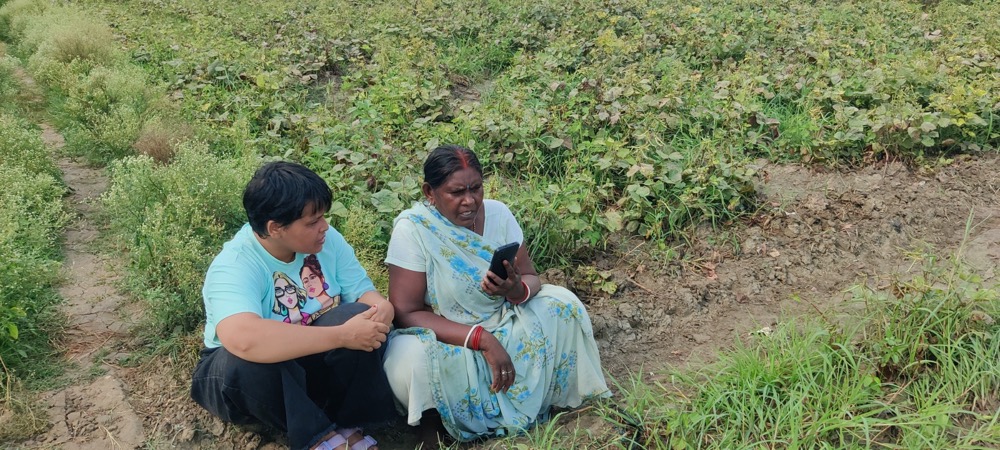
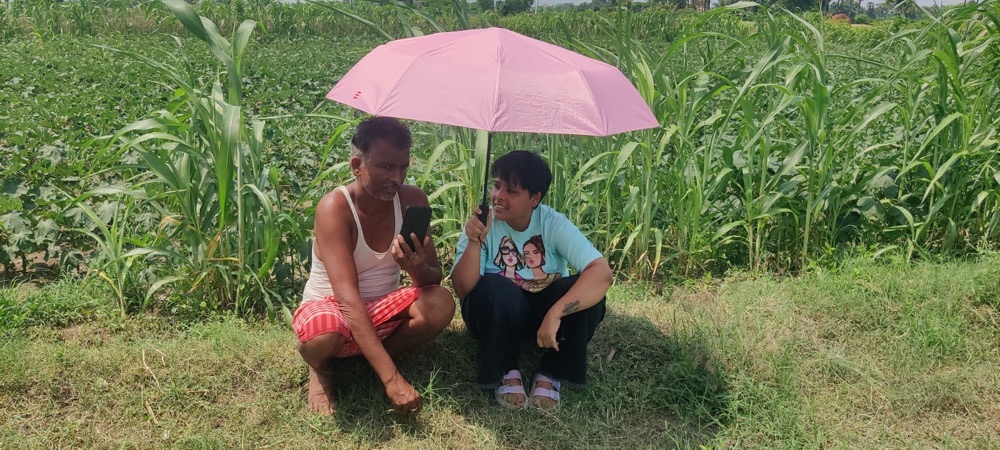
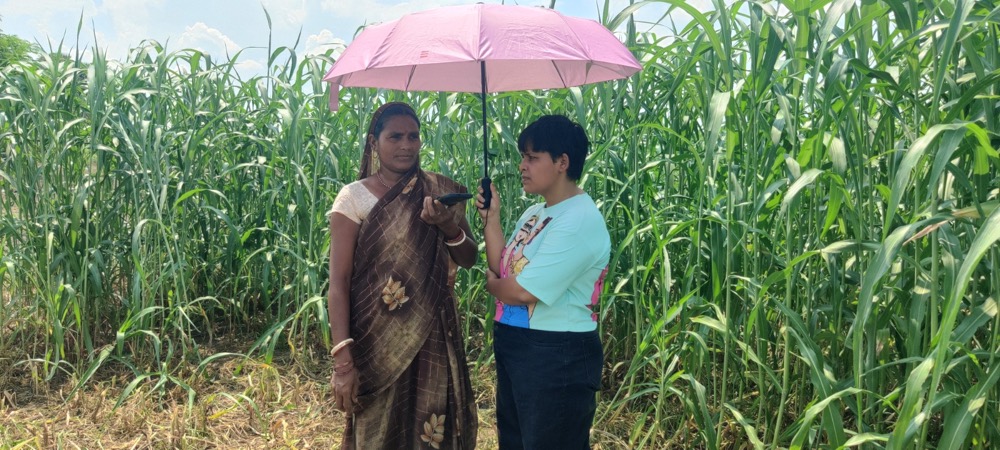
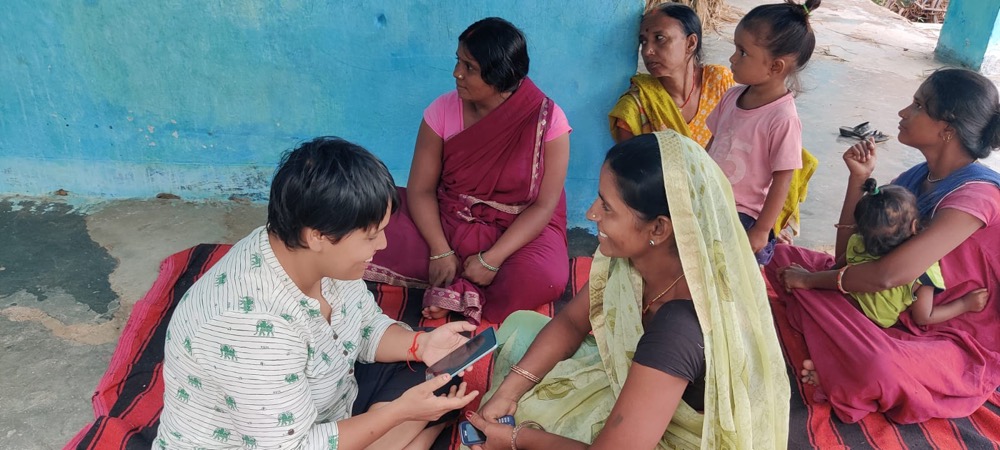
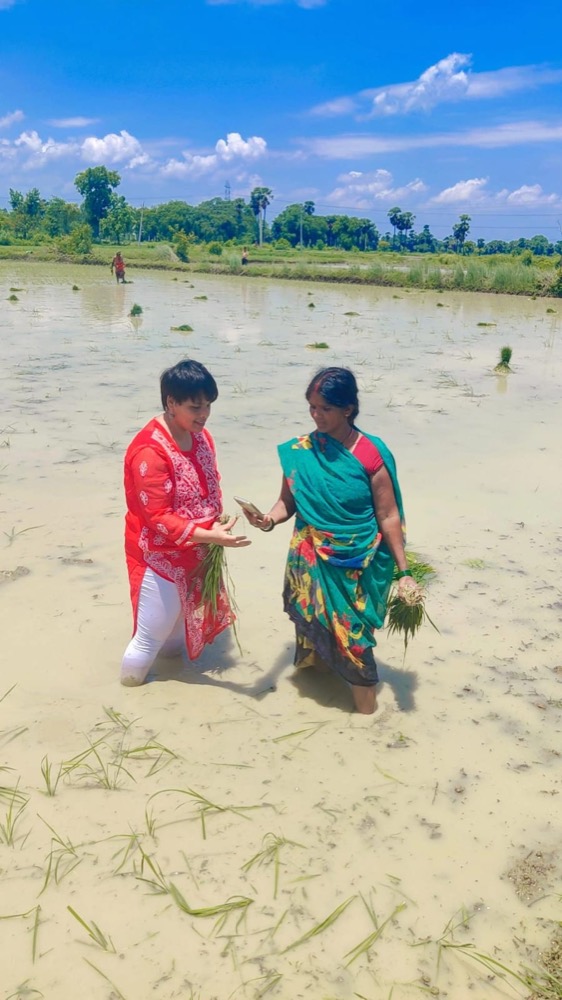
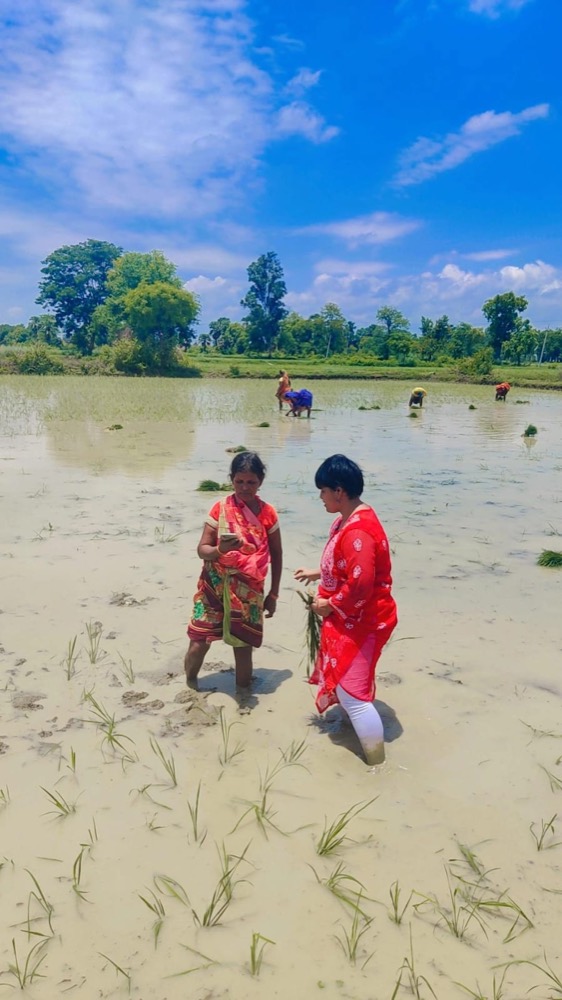
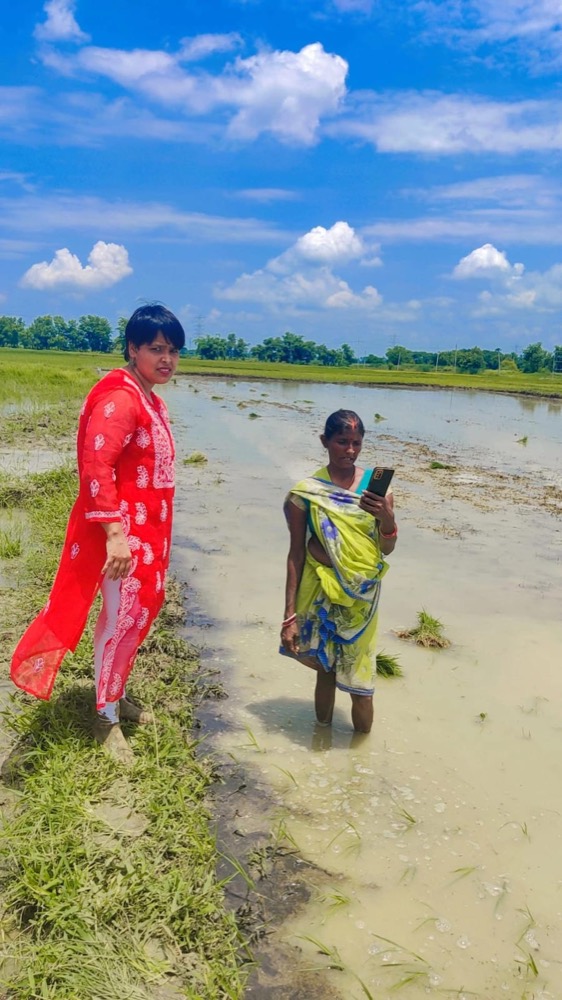
At SumArth, we are exploring Artificial Intelligence (AI) and digital technologies to make farming more informed, efficient and climate-resilient for small and marginal farmers.
Our initiative focuses on using AI-enabled advisory, weather and crop insights, pest and disease identification, crop planning, and data-driven decision-making to help farmers reduce risks and improve productivity. In mushroom farming, we are also exploring the integration of IoT-based monitoring and smart systems to better manage temperature, humidity and growing conditions.
Most importantly, we aim to make technology simple, local and accessible—delivering information in ways rural farmers, especially women, can easily understand and use.
For SumArth, AI in agriculture is not about replacing farmers’ knowledge. It is about strengthening it with better information, timely decisions and smarter tools.
Technology in their hands. Better decisions in their fields.
08 | Onion Farming & Storage
Store Better. Sell Smarter. Earn More.
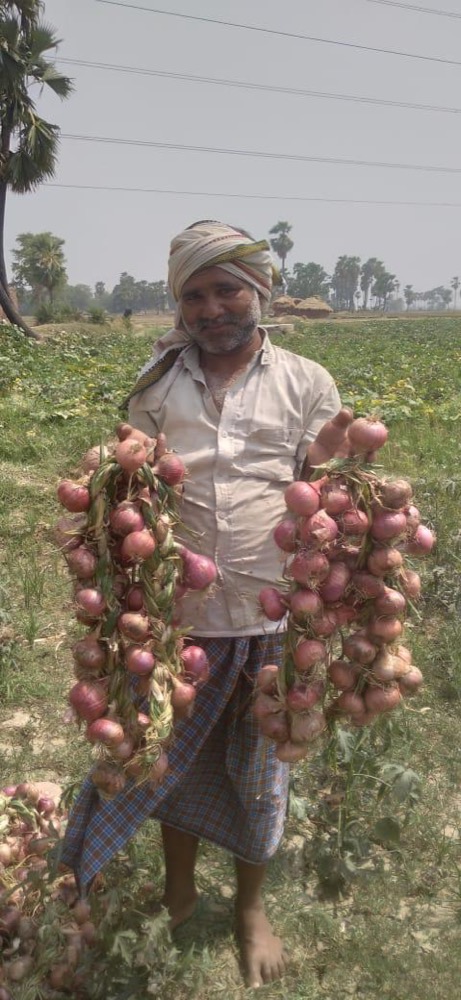
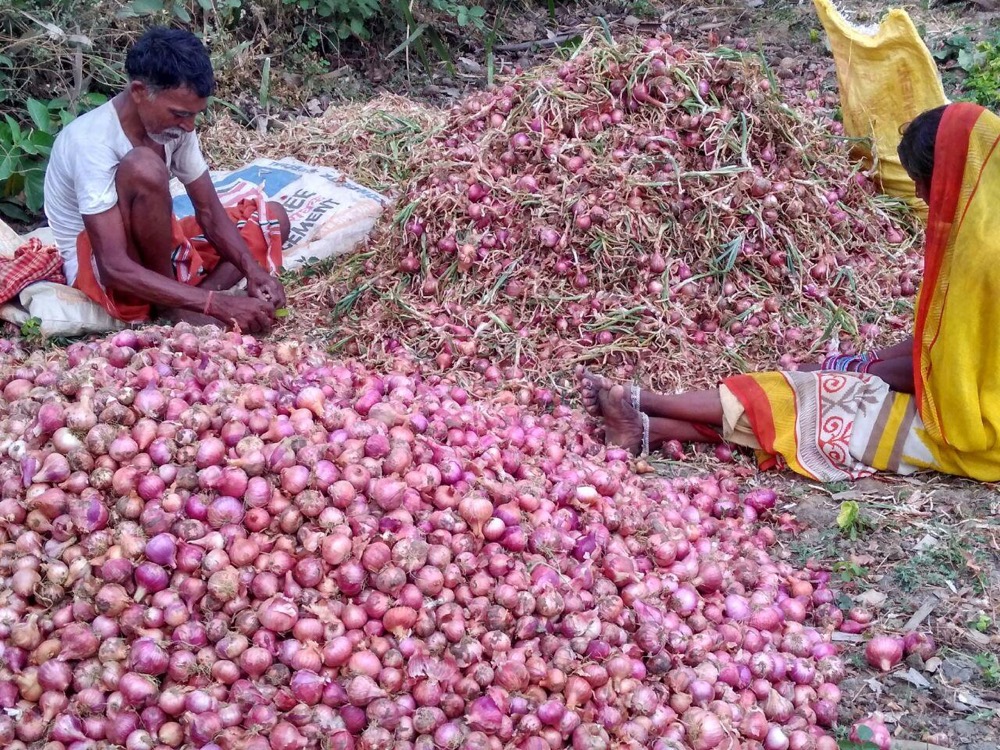
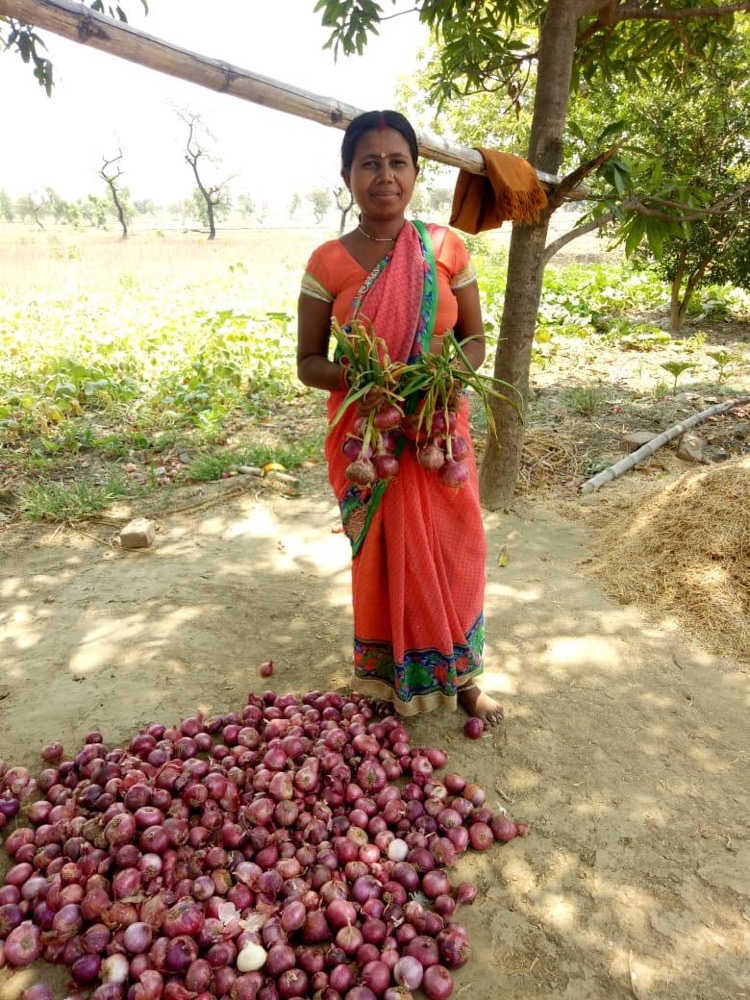
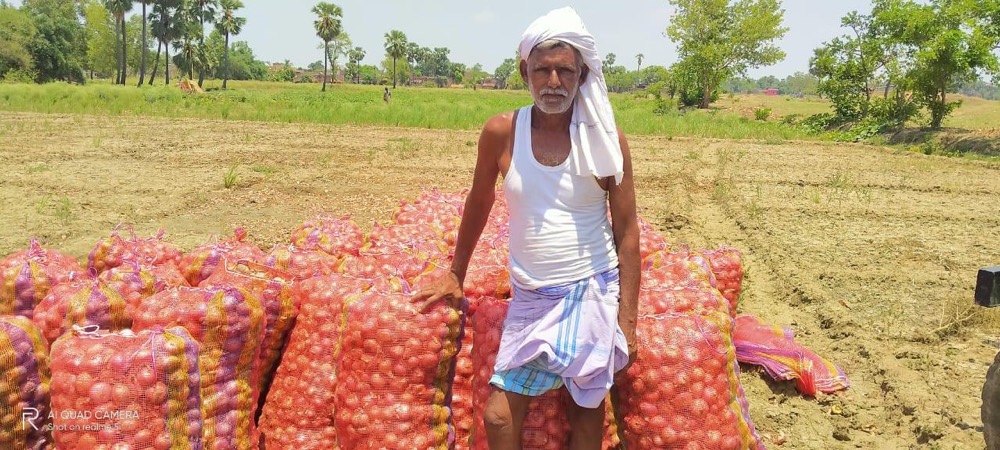
At SumArth, our Onion Farming & Storage Initiative addresses one of the biggest challenges faced by small farmers—being forced to sell their produce immediately after harvest when prices are often at their lowest.
We promote improved onion cultivation alongside better post-harvest handling and storage solutions, helping farmers reduce spoilage, extend shelf life and hold their produce until market conditions improve.
By combining scientific farming, improved storage, collective aggregation and stronger market linkages, we help farmers reduce post-harvest losses and gain greater control over when, where and at what price they sell.
Because a good harvest should not be lost between the farm and the market.
09 | Beekeeping
Small Bees. Bigger Livelihoods. Better Harvests.
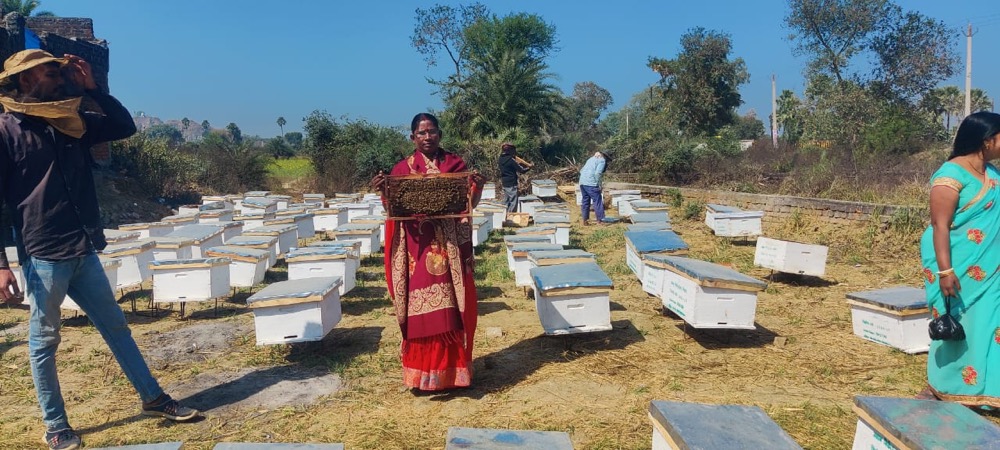
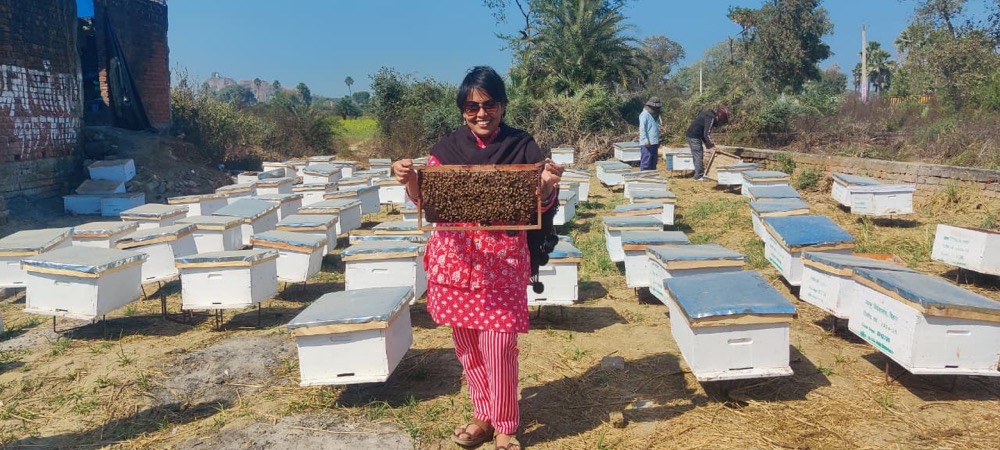
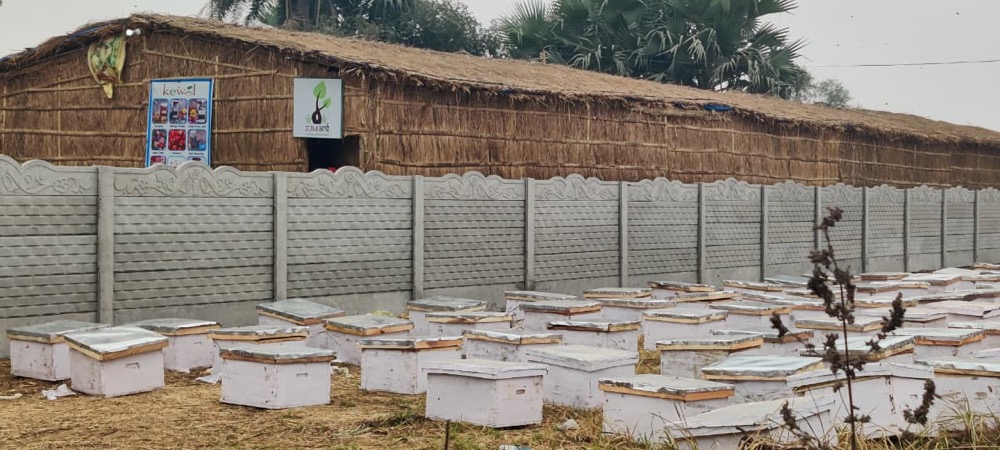
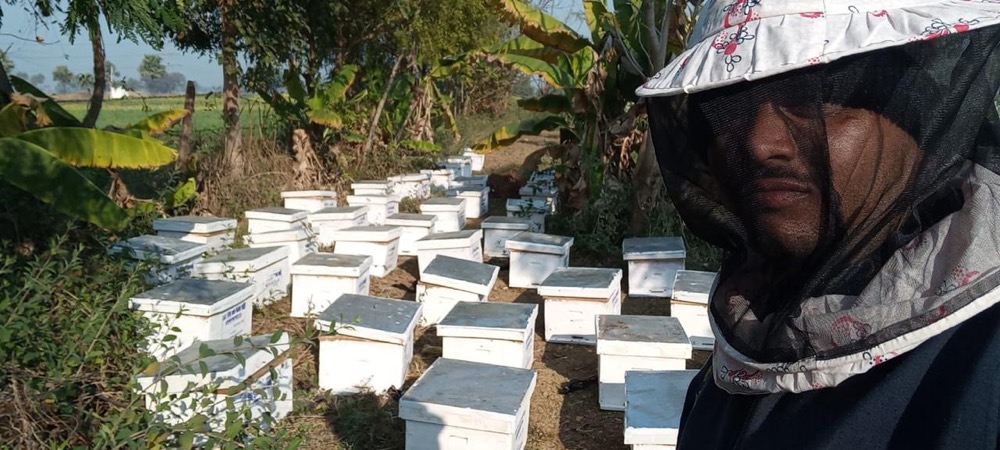
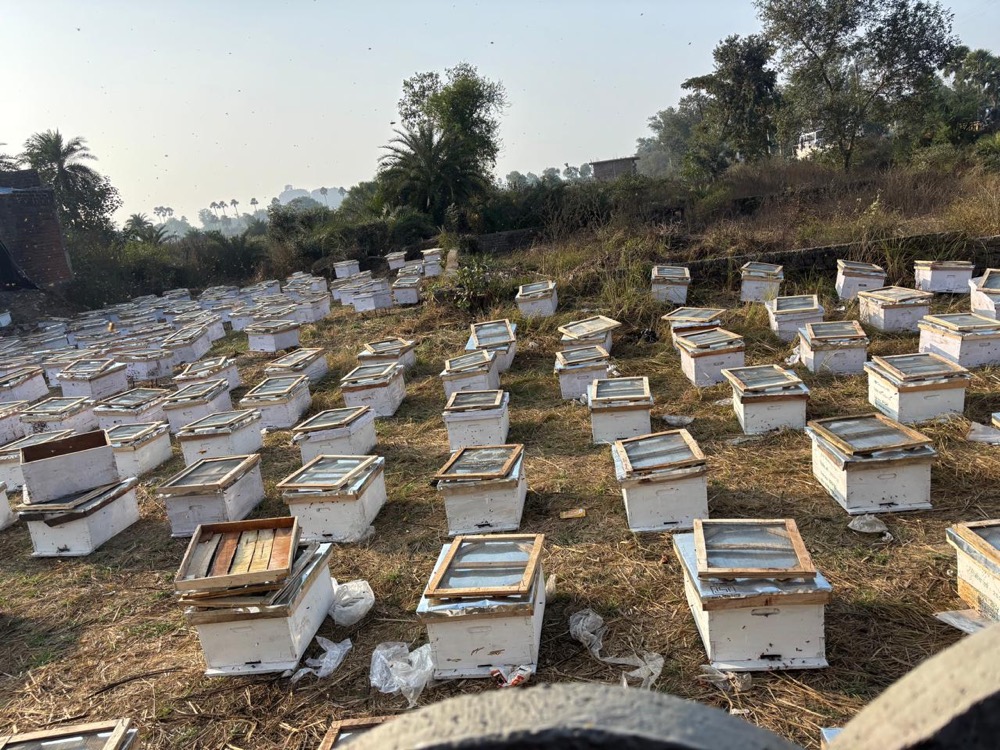
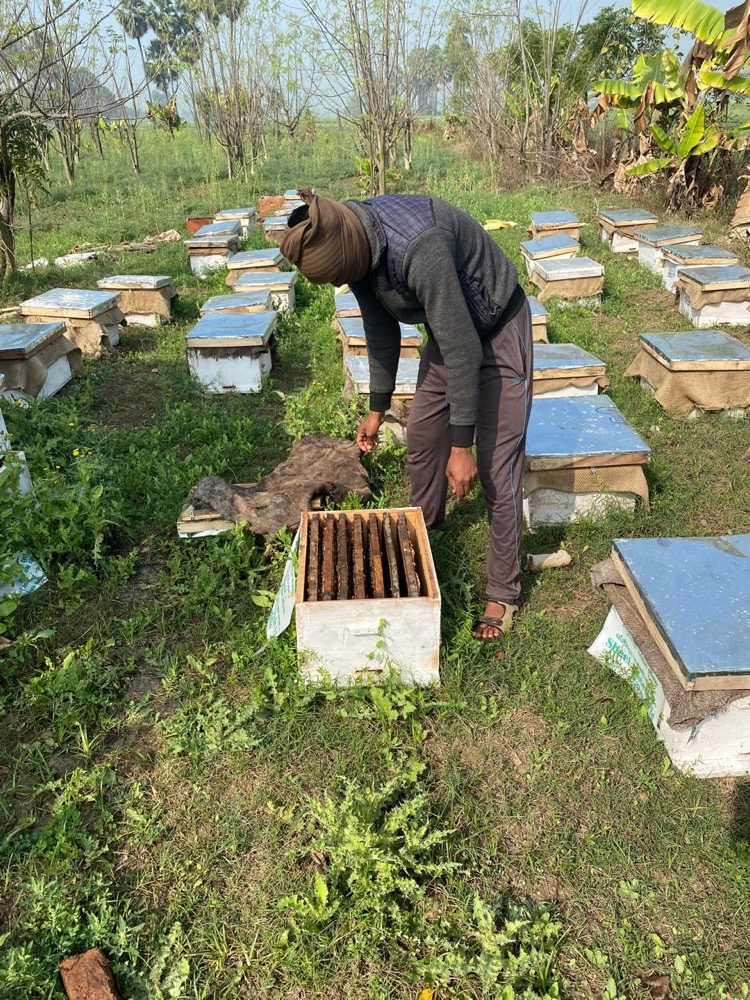
At SumArth, our Beekeeping Initiative creates an additional source of income for small and marginal farmers while supporting a healthier agricultural ecosystem.
We train rural farmers and women in scientific beekeeping, hive management, honey harvesting and processing, helping them develop beekeeping as a sustainable micro-enterprise. Beyond honey, bees provide an equally important benefit—pollination, supporting better flowering, crop productivity and biodiversity across farms.
By integrating beekeeping with existing farming systems and strengthening value addition and market linkages, we are turning a small intervention into an opportunity for diversified incomes, stronger farms and climate-resilient livelihoods.
More pollination. More possibilities.